Pay Electricity Bill Online Instantly - Free UPI Payment for 100+ Boards
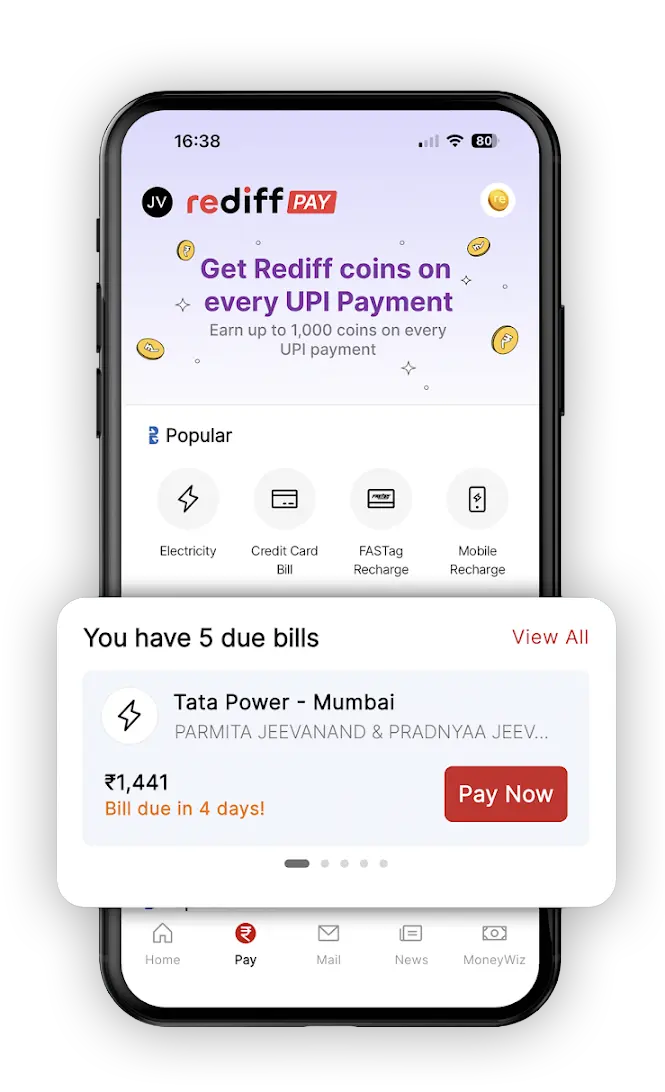
How to Pay Electricity Bill Online in 3 Simple Steps:
- Step 1: Select your electricity board or provider - BESCOM, MSEDCL, BSES Rajdhani, BSES Yamuna, TNEB/TANGEDCO, UPPCL, TSSPDCL, PSPCL, KSEB, WBSEDCL, PGVCL, DHBVN, JVVNL & 100+ boards across India
- Step 2: Enter your consumer number, CA number, BP number, or service number as printed on your electricity bill
- Step 3: Verify your electricity bill amount and pay instantly via UPI, Net Banking, or Debit Card - zero platform fees, instant confirmation
- 100+ electricity boards supported
- Instant UPI electricity payment
- Zero platform fees
- RBI-compliant & 256-bit secure
- Instant payment confirmation & downloadable receipt
Why Is My Electricity Bill So High? 6 Common Reasons Explained
"Why is my electricity bill so high?" is one of the most searched electricity queries in India - typed by millions of households every month, especially between March and July when bills spike sharply.
In most cases, a sudden increase in electricity bill is not caused by a faulty meter. The real causes are typically a combination of:
- Increased AC usage during summer months - the single biggest driver of high electricity bills in Indian homes
- Monthly consumption crossing into a higher electricity billing slab (slab-based billing explained below)
- Old, inefficient appliances drawing significantly more electricity than energy-efficient alternatives
- Phantom load from plugged-in standby devices that appear switched off but continue consuming power
- Work-from-home lifestyles increasing continuous daytime electricity consumption
- Missed bill payments resulting in accumulated arrears and late payment surcharges added to current bill
How Much Electricity Does an AC Consume Per Hour in India?
Air conditioners are the single largest contributor to high electricity bills in most Indian homes. A standard 1.5-ton split AC running at 18°C consumes 1.5 - 2.0 units (kWh) per hour - compared to just 0.9 - 1.2 units at the Bureau of Energy Efficiency (BEE) recommended setting of 24°C.
- 18°C setting: 1.8 - 2.0 units per hour
- 22°C setting: 1.3 - 1.5 units per hour
- 24°C setting: 0.9 - 1.2 units per hour - BEE recommended, BESCOM/MSEDCL/TNEB endorsed
- 26°C setting: 0.7 - 1.0 units per hour
At 8 hours daily for 30 days, the difference between 18°C and 24°C settings adds 120 - 240 extra units monthly - potentially pushing consumption into a higher billing slab and causing a disproportionately large increase in your electricity bill.
What Is Phantom Load? How Standby Power Consumption Adds to Your Electricity Bill
Phantom load - also called standby power or vampire power - is the electricity consumed by devices that are plugged in but not actively in use. In many Indian households, phantom load accounts for 10% - 15% of total monthly electricity consumption without residents being aware.
- Television and set-top boxes: 5 - 25 watts on standby
- Wi-Fi routers: 6 - 10 watts running 24×7
- Laptop and phone chargers left plugged in: 1 - 5 watts each
- Microwave ovens with display panels: 2 - 5 watts continuously
- Gaming consoles on standby: 10 - 15 watts
- Smart speakers and home assistants: 2 - 6 watts always-on
- Air conditioners in standby mode: 1 - 10 watts
Across 8 - 10 such devices running 24 hours daily, phantom load adds 40 - 80 extra units monthly. At ₹6 - ₹8 per unit (upper slab rate in metro cities), this adds ₹240 - ₹640 annually for zero active usage.
How To Reduce Electricity Bill at Home: 8 Proven Tips for Indian Households
- Set AC Temperature to 24°C - 26°C: Setting your air conditioner to 24°C instead of 18°C reduces AC electricity consumption by 30% - 40% per hour. For households running ACs 8 - 10 hours daily during Indian summer, this is the fastest single action to lower electricity bills.
- Switch to LED Bulbs and BEE 5-Star Appliances: Replacing incandescent or CFL bulbs with LED alternatives reduces lighting electricity consumption by 60% - 80%. A 5-star AC or refrigerator uses 20% - 40% less electricity than a 1-star model of identical capacity.
- Unplug Idle Chargers and Standby Devices: Unplugging chargers, routers, and electronics when not actively in use eliminates phantom load. A smart power strip that cuts standby power automatically can save 5% - 10% on monthly electricity bills.
- Clean AC Filters and Fan Blades Monthly: Dust buildup on AC filters forces the compressor to work harder, increasing electricity consumption by 5% - 15%. Monthly filter cleaning and quarterly servicing maintains efficiency.
- Avoid Half-Load Washing Machine Cycles: Washing machines consume nearly identical electricity for a half-load versus a full load. Consolidating laundry into full-load cycles reduces monthly wash cycles and lowers consumption.
- Use Geysers Only for Required Duration: Water heaters are typically 2,000W - 3,000W appliances. Running a geyser for 30 minutes uses 1.0 - 1.5 units. Switching it off 5 minutes before use retains stored heat without additional power consumption.
- Pay Electricity Bills Before Due Date to Avoid Surcharges: Late electricity bill payments attract penalty surcharges added to the next bill. Setting reminders or enabling autopay ensures on-time settlement.
- Use Appliances During Off-Peak Hours: In states with time-of-day tariffs, running heavy appliances like washing machines or geysers during off-peak hours (late night or early morning) reduces electricity costs.
What Is a Consumer Number in an Electricity Bill? How to Find It
A consumer number is the unique account identifier assigned by your electricity board to your specific connection. It is the mandatory input required to pay your electricity bill online, check your outstanding amount, and access payment history.
- Printed on every physical electricity bill - usually in the top section labelled 'Consumer Details' or 'Account Information'
- In SMS notifications sent by your electricity provider after bill generation each month
- In your electricity board's official mobile app or web portal under 'My Account'
- On the original electricity connection sanction letter from the board
State-by-State Consumer Number Reference
| Electricity Board | State | Term Used | Format |
|---|
| BESCOM | Karnataka | Consumer Number / RR Number | 7 - 10 digit number |
| MSEDCL (Mahavitaran) | Maharashtra | Consumer Number | 12-digit number |
| BSES Rajdhani / Yamuna | Delhi | CA Number (Consumer Account Number) | 10 - 12 digit number |
| TNEB / TANGEDCO | Tamil Nadu | Consumer Number / EB Number | 10 - 11 digit number |
| UPPCL | Uttar Pradesh | Account Number | 12-digit number |
| TSSPDCL / TSNPDCL | Telangana | Service Number / Consumer Number | 11-digit number |
| PSPCL | Punjab | Account ID / Consumer Number | 10 - 11 digit number |
| KSEB | Kerala | Consumer Number | 10-digit number |
| PGVCL / DGVCL | Gujarat | Consumer Number / SA Number | 11 - 12 digit number |
| WBSEDCL | West Bengal | Consumer ID | 11-digit number |
| DHBVN / UHBVN | Haryana | Account Number / Consumer Number | 10 - 11 digit number |
| JVVNL / AVVNL | Rajasthan | Account Number | 12-digit number |
How Electricity Tariffs and Slab-Based Billing Work in India
Most Indian state electricity boards (DISCOMs) follow a slab-based or progressive tariff structure:
- The first block of units consumed each month is charged at the lowest (lifeline/subsidised) rate
- Units consumed above each threshold move into the next slab and attract a higher per-unit charge
- Additional consumption blocks are charged at progressively higher rates
| Monthly Units Consumed | Rate Category | Indicative Per-Unit Rate |
|---|
| 0 - 100 units | First slab - lifeline / subsidised | ₹2.50 - ₹4.00 per unit |
| 101 - 200 units | Second slab | ₹4.50 - ₹6.00 per unit |
| 201 - 300 units | Third slab | ₹6.00 - ₹7.50 per unit |
| Above 300 units | Higher slab | ₹7.50 - ₹9.00+ per unit |
| Above 500 units (select states) | Commercial-equivalent rate | ₹9.00 - ₹11.00+ per unit |
Electricity Bill FAQs
- How can I pay my electricity bill online? Pay your electricity bill online in 3 simple steps: 1. Select your electricity board - BESCOM, MSEDCL, BSES, TNEB, UPPCL, and 100+ providers. 2. Enter your consumer number, CA number, or BP number printed on your bill. 3. Verify bill details and pay via UPI, Net Banking, or Debit Card with zero platform fees and instant confirmation.
- Which electricity boards can I pay through Rediff Pay? Rediff Pay supports online electricity bill payment for 100+ boards including: BESCOM (Karnataka), MSEDCL/Mahavitaran (Maharashtra), BSES Rajdhani and BSES Yamuna (Delhi), TNEB/TANGEDCO (Tamil Nadu), UPPCL (Uttar Pradesh), TSSPDCL and TSNPDCL (Telangana), PSPCL (Punjab), KSEB (Kerala), WBSEDCL (West Bengal), PGVCL and DGVCL (Gujarat), DHBVN and UHBVN (Haryana), JVVNL and AVVNL (Rajasthan), APDCL (Assam), and more.
- Is electricity bill payment through UPI free on Rediff Pay? Yes. Paying your electricity bill via UPI on Rediff Pay carries zero platform fees. You pay only the outstanding electricity bill amount - no service charges, no convenience fees, no hidden costs. Standard UPI daily limits set by your bank apply.
- What is a consumer number in electricity bill and how do I find it? A consumer number is the unique account identifier assigned by your electricity board to your connection. You can find it on any previous electricity bill (printed at the top), in SMS alerts from your provider, or in your electricity board's app. Different boards call it differently - BSES calls it a CA number, BESCOM calls it an RR number, PGVCL calls it an SA number.
- What is a CA number in an electricity bill? A CA number (Consumer Account Number) is the unique account identifier used by BSES Rajdhani and BSES Yamuna for Delhi electricity connections. It is equivalent to the consumer number used by other boards, printed on every BSES bill, and required for online payment, checking balance, and complaint registration.
- Why is my electricity bill suddenly so high this month? Common causes of a sudden electricity bill increase include: increased AC usage in summer months; consumption crossing into a higher billing slab; old appliances consuming more power; phantom load from standby devices; late payment surcharges from a missed previous due date; or fuel adjustment charges revised by the electricity board.
- How can I reduce my electricity bill at home? Most effective steps: Set AC temperature to 24°C - 26°C instead of lower settings. Replace all bulbs with LED alternatives. Unplug chargers and standby devices when not in use. Choose BEE 5-star rated appliances. Clean AC filters monthly. Avoid half-load washing machine cycles. Pay electricity bills before the due date to avoid surcharges.
- What happens if I don't pay my electricity bill on time? Not paying your electricity bill by the due date may result in: late payment surcharges added to the next bill; disconnection notice from the electricity board; temporary supply suspension for extended non-payment; reconnection fee to restore supply; and accumulated arrears that increase future bills. Pay online immediately via consumer number to avoid these consequences.
- What is slab-based electricity billing in India? Slab-based electricity billing means different blocks of monthly consumption are charged at different per-unit rates. Initial units (0 - 100) are charged at a low subsidised rate. Consumption above each threshold enters a higher-rate slab. This is why a small increase in usage - like adding an AC - can cause a disproportionately large electricity bill increase.
- How much electricity does a 1.5-ton AC consume per hour in India? A standard 1.5-ton split AC consumes approximately 0.9 - 2.0 units (kWh) per hour depending on temperature setting and star rating: • 18°C setting: 1.8 - 2.0 units per hour • 22°C setting: 1.3 - 1.5 units per hour • 24°C setting (BEE recommended): 0.9 - 1.2 units per hour • 26°C setting: 0.7 - 1.0 units per hour Running at 8 hours daily for 30 days, the 18°C vs 24°C difference adds 120 - 240 extra units monthly.
- Why do electricity bills increase in summer in India? Summer electricity bills rise because of: higher AC usage - the biggest electricity consumer in Indian homes; increased refrigerator workload in higher ambient temperatures; continuous fan and cooler operation; water coolers running longer; and more indoor device usage from work-from-home patterns. Bills in Indian cities typically peak March - June.
- Do old appliances increase electricity bills? Yes. Older refrigerators, ACs, washing machines, and geysers typically carry lower BEE star ratings and consume 50% - 80% more electricity than modern 5-star equivalents. A 10-year-old 1.5-ton window AC can use nearly twice the electricity of a modern 5-star inverter AC - adding hundreds of rupees to monthly electricity bills.
- Why do electricity bills differ between states in India? Each Indian state sets its own electricity tariff through a State Electricity Regulatory Commission (SERC) based on: local power purchase costs, infrastructure expenses, government subsidy policies, fuel adjustment charges, and demand patterns. This results in significant per-unit cost variation - consumers in some states pay 2 - 3 times more per unit than those in other states for identical consumption.
- Is online electricity bill payment safe? Yes. Online electricity bill payment through Rediff Pay is fully secure. All transactions use 256-bit SSL encryption, RBI-compliant UPI infrastructure, and two-factor authentication. No card or bank details are stored on Rediff servers. Payments are processed via NPCI-certified UPI rails compliant with all DISCOM digital payment guidelines.